
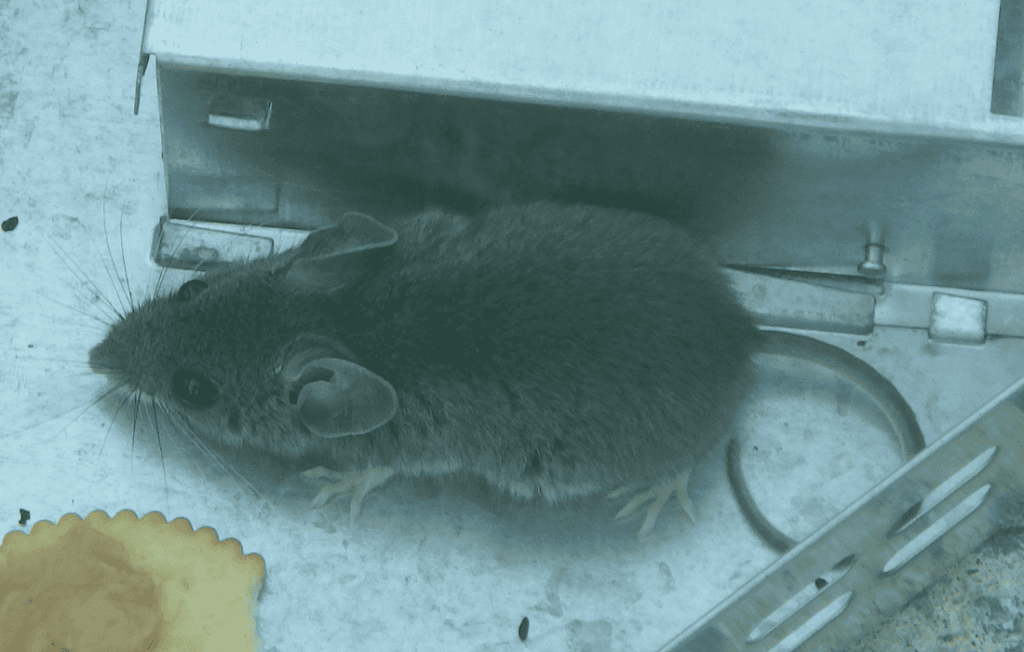
A new study from Rutgers University has confirmed that mice in the New York metro area are evolving, and many of the chemicals most commonly used to kill them are no longer as effective as they once were.
This is not a reason to panic, but it is a reason to rethink how you approach rodent control.
What the Rutgers Study Found
Researchers at Rutgers examined rodent samples collected from New York City, New Jersey, Washington, D.C., and the Philadelphia region, and their findings were significant. Approximately 70% of mouse populations sampled carried genetic mutations linked to resistance against commonly used rodenticides.
According to Rutgers researcher JinJia Yu, these genetic changes have spread much faster than expected, suggesting that resistance has been building across the metro area for years.
Rats, for their part, are not mutating in the same way, but they are adapting through behavior. The same study found that many rats have learned to avoid traps and other standard extermination techniques over time.
Whether the problem is genetic or behavioral, the result is the same: rodents in New York are getting better at surviving the methods we use against them.
The Problem with Over-Relying on Rodenticide
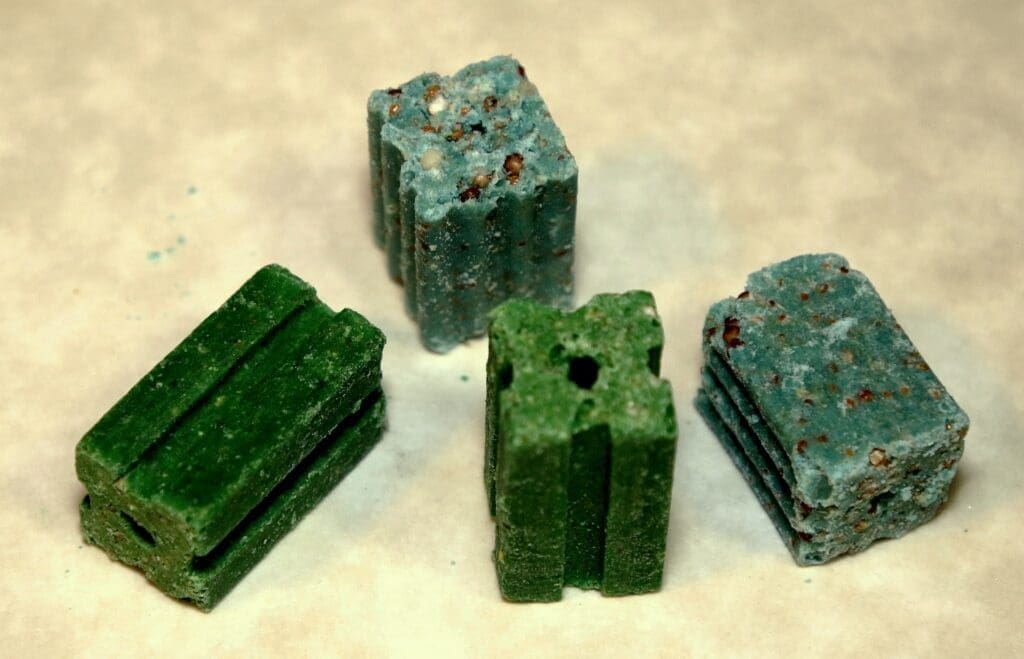
That resistance does not appear out of nowhere. When you use a rodenticide, you don’t kill every mouse. The mice that survive are the ones that already had some natural resistance to it. Those survivors breed, their offspring inherit that resistance, and gradually the local population shifts toward mice that the product simply does not affect. Using the same chemical across an entire city speeds this up considerably.
Over-the-counter bait products make this worse. Products sold at hardware stores are generally lower concentration, inconsistently applied, and rarely part of a coordinated strategy. When they fail to eliminate the population entirely, which they often do, they leave behind the most resilient individuals.
This is also why a “throw more bait at it” approach is counterproductive. More of the same product does not solve a resistance problem; it accelerates one.
What Actually Works
The Rutgers findings point toward the same approach that we at MMPC have recommended for years: Integrated Pest Management, with an emphasis on prevention and exclusion.
Rodents need food, water, and shelter to establish themselves, and eliminating or restricting access to those three things is the most reliable foundation for any long-term control strategy. In practical terms, that means:
- Storing trash in sealed, rodent-resistant containers and keeping lids secured
- Storing food, including pet food and birdseed, in sealed containers rather than leaving them out in the open
- Addressing moisture issues such as leaky pipes, standing water, and drainage problems
- Reducing clutter and hidden nesting spots in basements, crawlspaces, and storage areas
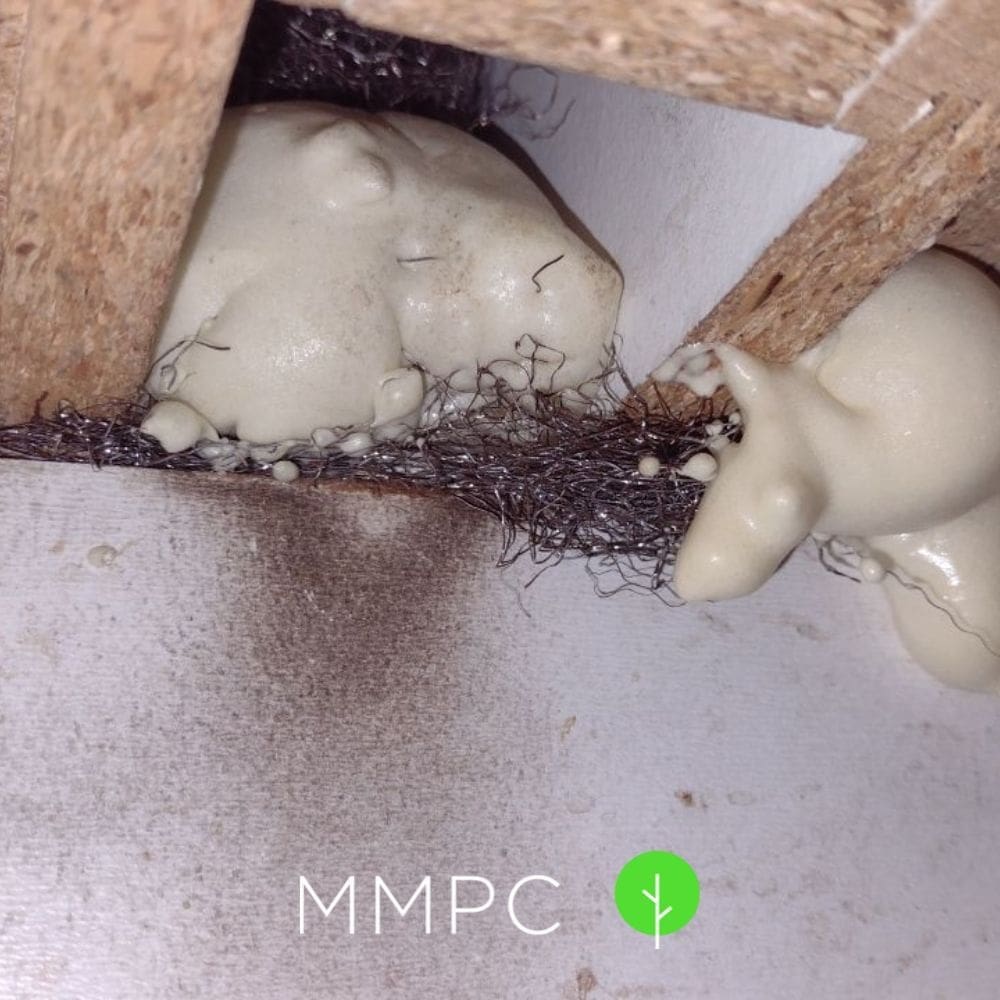
But even a clean, well-maintained property can have a rodent problem if there is a way in. Prevention reduces the conditions that attract rodents, but it does not stop them from getting inside. That is what exclusion is for.
A professional inspection finds the actual gaps in your home and seals them with materials rodents cannot gnaw through, whether that is a crack in the foundation, worn weatherstripping, or an unsealed spot where a pipe enters the wall.
Without that step, any treatment you apply is only temporary.
Chemical control still has a place in a well-rounded rodent strategy, but how it is used matters. Professional-grade products are significantly more effective than consumer alternatives, and a professional will also rotate between different product types over time so that rodents cannot build resistance to any single one.
And finally, rodent management is not a one-time thing. Seasons change, neighboring buildings get treated, and construction nearby can push rodent populations in new directions, any of which can quietly shift conditions at your property. Regular monitoring is necessary so you can catch early signs of activity before a small presence becomes an established infestation.
What You Should Do Right Now
Start with an honest assessment of your current approach. If your only rodent-control measure is bait stations from a hardware store, or if your building’s pest-control service consists solely of periodic bait placement, you are relying on a strategy that the Rutgers data suggest is becoming less reliable.
A few immediate steps worth taking:
- Check your trash and food storage. Garbage left in open or flimsy containers is one of the fastest ways to attract rodents.
- Take a slow walk around the outside of your building and look for gaps, cracks, or worn door seals, especially anywhere pipes or wires pass through the wall. These are the spots rodents use most.
- If you are still seeing rodent activity despite having bait in place, that is worth paying attention to. It often means the product is no longer doing what it should.
Some of these steps are worth starting on your own today. But entry points are easy to miss, and conditions inside a building that sustain a rodent population are not always obvious. If your current approach relies primarily on bait with no exclusion or sanitation component, a professional assessment is not just helpful; it is the part most DIY efforts skip entirely.
Contact MMPC to schedule a rodent inspection. We will assess your current conditions, identify entry points, and build a pest control strategy designed for how rodents actually behave in New York City today.
