
Facts About Test Ants
Notes from New York City's eco-friendly pest experts.
 Image by Jedesto, CC BY-SA 4.0, via Wikimedia Commons
Ants are incredibly successful pests due to how they function as a unified superorganism. In New York City, they have adapted to thrive on human food waste, allowing them to build larger and stronger colonies than they could in natural habitats. Common culprits vary by building type: traditional homes and brownstones typically battle pavement ants nesting under foundations and carpenter ants in damp wood or nearby trees. High-rise apartments and commercial buildings more often deal with indoor species like pharaoh ants and the invasive ManhattAnt. Effective control requires understanding which species it is you’re dealing with.
Image by Jedesto, CC BY-SA 4.0, via Wikimedia Commons
Appearance
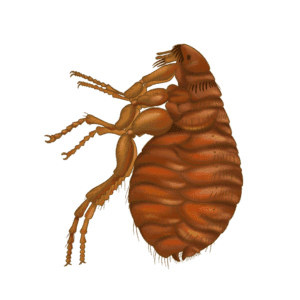
Though some variations exists depending on the species, Ants are easily identifiable by their legs and body shape
test faq section header
body test
Image by Jedesto, CC BY-SA 4.0, via Wikimedia Commons


Control
Professional tips and do-it-yourself solutions.
 Image by Sam Thomas, CC BY-SA 2.0, via Wikimedia Commons
test row
Ants are incredibly successful pests due to how they function as a unified superorganism. In New York City, they have adapted to thrive on human food waste, allowing them to build larger and stronger colonies than they could in natural habitats. Common culprits vary by building type: traditional homes and brownstones typically battle pavement ants nesting under foundations and carpenter ants in damp wood or nearby trees. High-rise apartments and commercial buildings more often deal with indoor species like pharaoh ants and the invasive ManhattAnt. Effective control requires understanding which species it is you’re dealing with.
test 2
Ants are incredibly successful pests due to how they function as a unified superorganism. In New York City, they have adapted to thrive on human food waste, allowing them to build larger and stronger colonies than they could in natural habitats. Common culprits vary by building type: traditional homes and brownstones typically battle pavement ants nesting under foundations and carpenter ants in damp wood or nearby trees. High-rise apartments and commercial buildings more often deal with indoor species like pharaoh ants and the invasive ManhattAnt. Effective control requires understanding which species it is you’re dealing with.
Test headertest
test
Image by Jedesto, CC BY-SA 4.0, via Wikimedia Commons