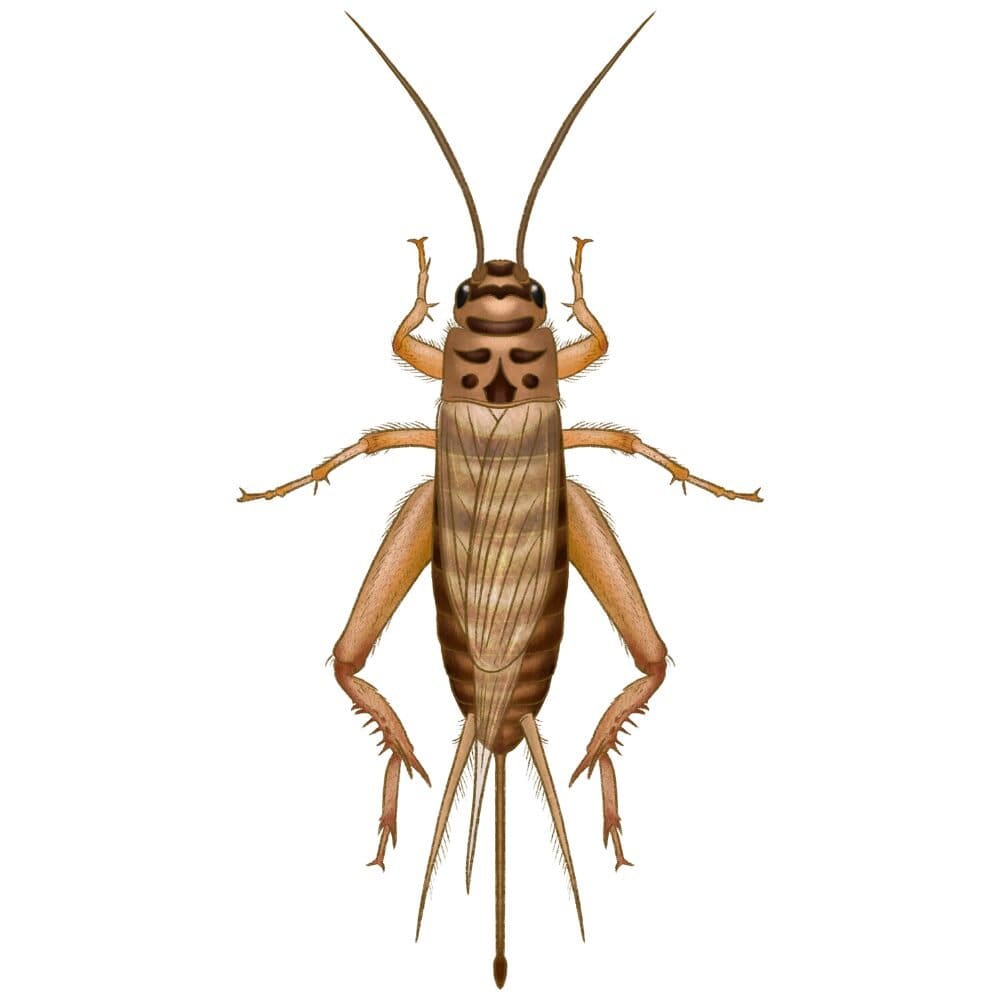
Odorous House Ant
Tapinoma sessile
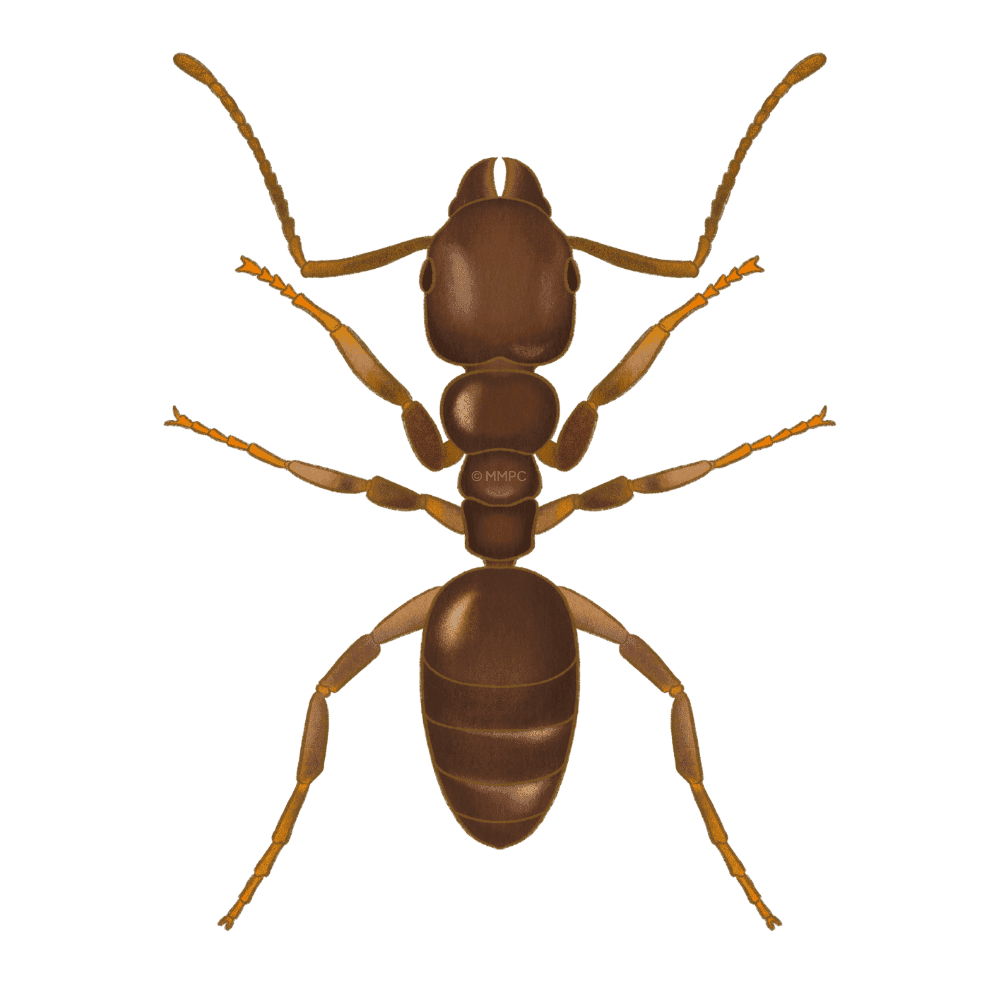
Crush one of these small, dark ants, and you will notice a distinct, rotten coconut odor. Odorous house ants build super-colonies, and in New York, these networks easily reach hundreds of thousands of workers.

About this species
The hard part is their survival mechanism. If you spray them with a standard store-bought aerosol, they panic. The colony literally fractures, scattering into multiple new nests across your home. You started with one problem under the sink. Now you have four.
We strictly use baits because the foraging workers carry the active ingredient deep into the walls, feeding it directly to the queens and developing young before the colony realizes it is under attack.
Identification
Size:
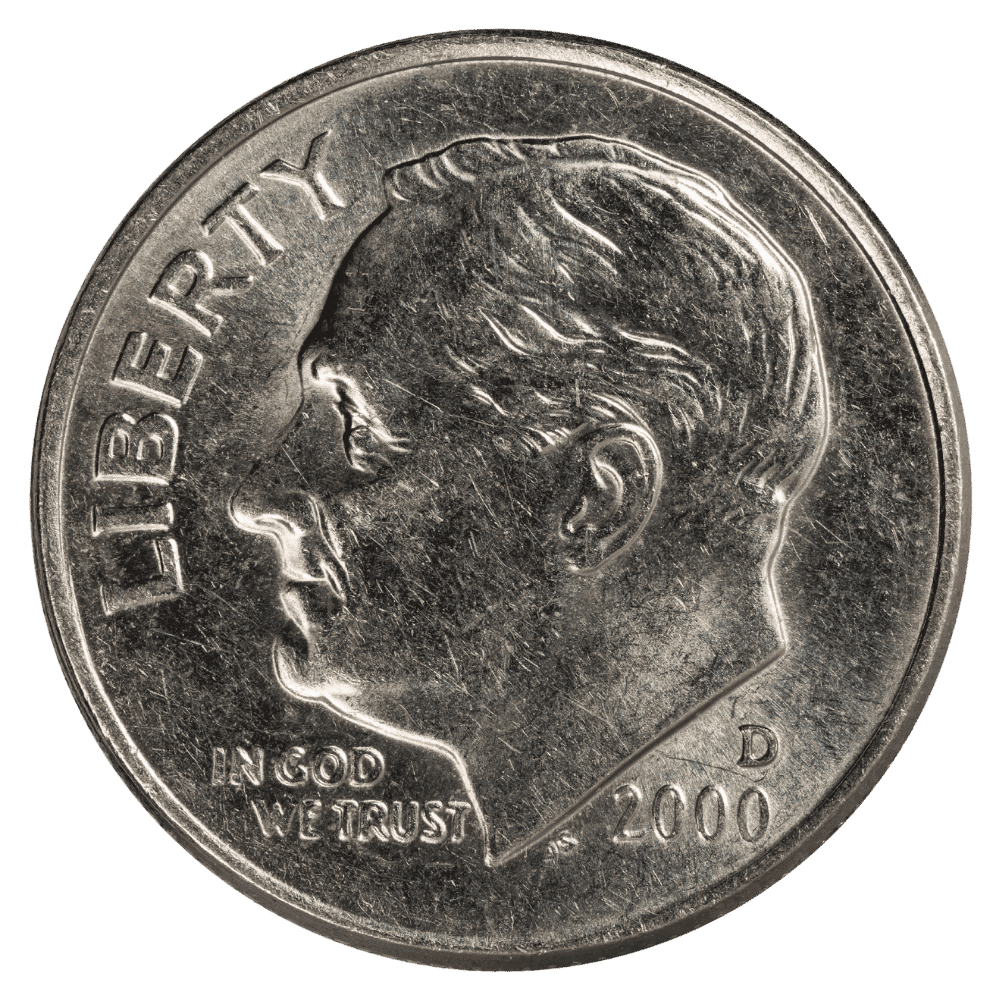
Small, about 1/8 inch long.
Color:
Dark brown to black
Key ID Features:
- The gaster (abdomen) overhangs and hides the petiole node (the waist).
- When crushed, they emit a distinct odor reminiscent of rotten coconuts or blue cheese.
- Workers are all the same size (monomorphic).
Lifecycle or Castes
Optional sample text – Ants have a eusocial caste system. Common types you might see are workers or alates.
Queens

Workers

Alates