
Termite Inspections & Treatment
We locate hidden termite damage, eradicate the colony at its source, and protect your home from future infestations.
We're here to help.
Termite Control Solutions
A termite infestation is a structural problem that requires a structural solution. Instead of just spraying the workers you can see, our process focuses on cutting off their access points and deploying slow-acting treatments that the foraging termites carry back to the queen, collapsing the entire colony.


About Termites
The eastern subterranean termite (Reticulitermes flavipes) is the primary wood-destroying pest native to New York and the northeastern United States. Because they live deep underground, they construct mud tubes along your foundation to bridge the gap between the soil and the wood inside your home. They hollow out wood from the inside, meaning the damage is usually severe by the time you spot them. To make matters worse, most homeowners’ insurance policies don’t cover termite repairs.
Signs of Termites
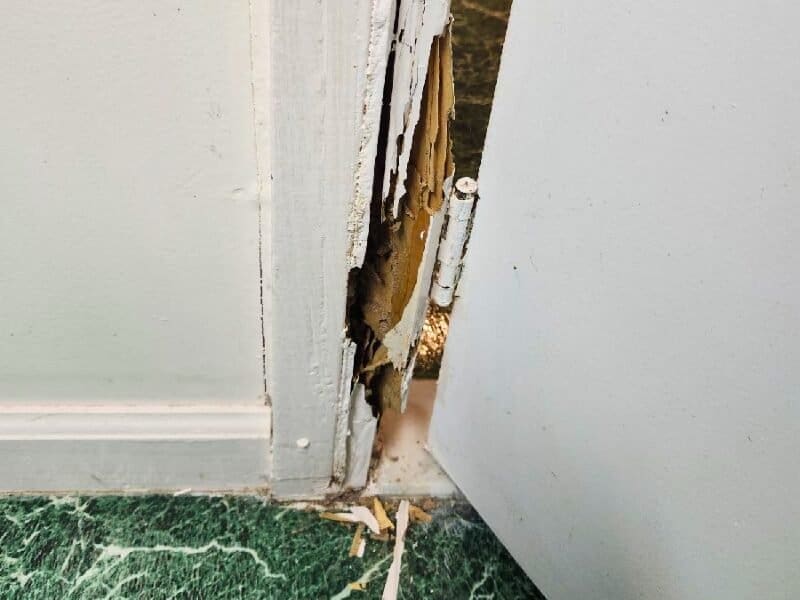
Worker termites stay out of sight because they require moisture to survive and will dehydrate in dry air. Your first warning sign is usually seeing flying swarmers or discarded wings around windowsills from March to May. Other indicators include mud tubes, stuck doors, bubbling paint, and walls that sound hollow. Because termites are drawn to water, look closely at moisture zones like leaking pipes, humid crawl spaces, and areas where wood touches damp soil.
Comprehensive Termite Solutions
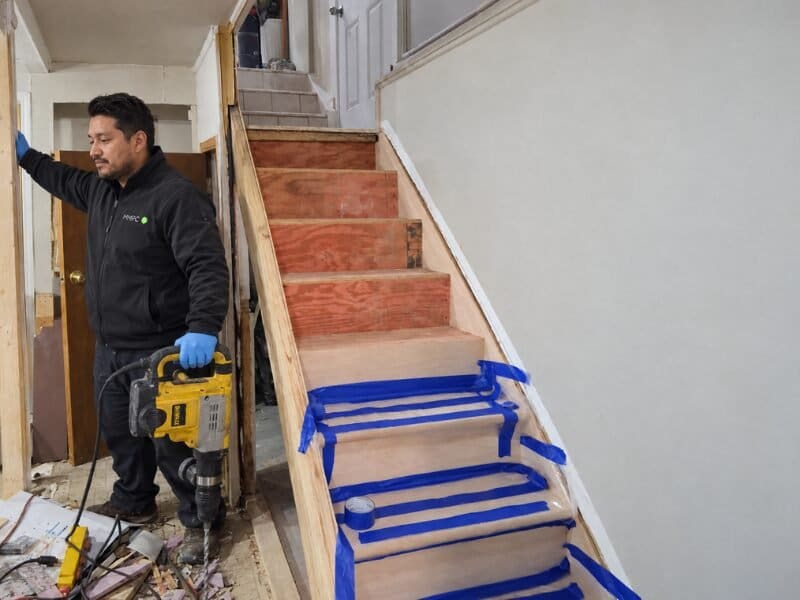
Traditional repellent treatments often push termites to a different part of the structure. We use non-repellent liquid treatments that termites cannot detect. They crawl through the treated zone and carry the active ingredient back to the colony.
Methods that make eco-sense
Termite Inspection
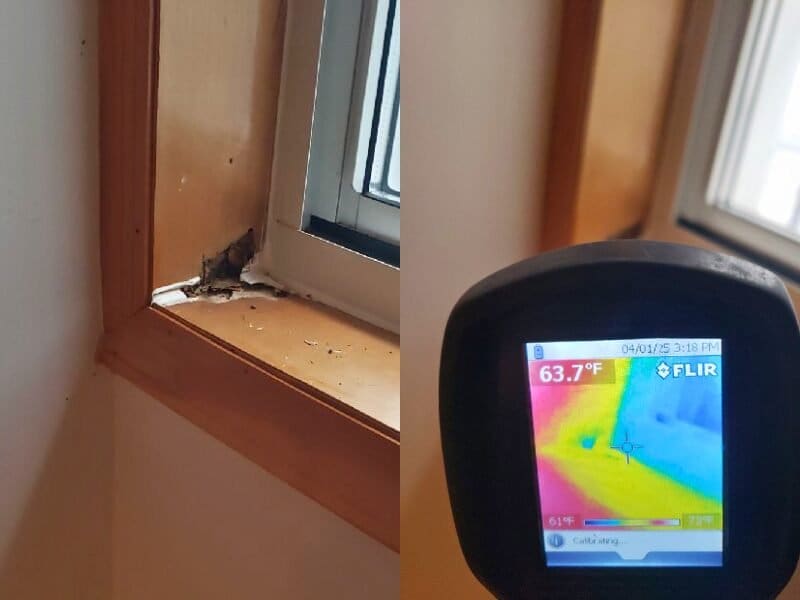
Our licensed inspectors conduct a thorough inspection using moisture meters and infrared scanners to detect termite activity inside the structure. We provide a detailed written report identifying concealed damage or active infestations, and lay out an exact blueprint for baiting or soil treatments to stop the colony from advancing.
Soil Injection
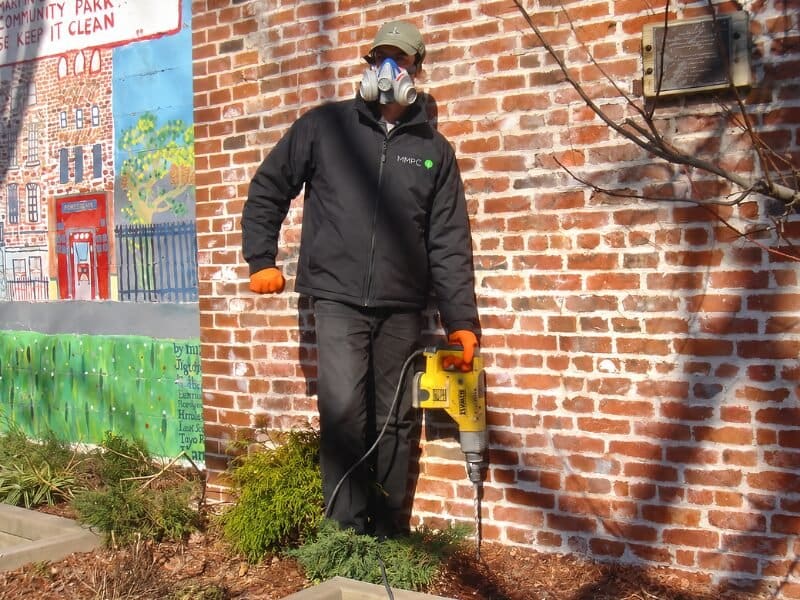
This is how we build a defense perimeter. We dig a shallow trench around the exterior soil and drill small holes through concrete slabs to pump liquid termiticide deep under the foundation. The termites hit this barrier, get infected, and kill off their own colony. This treatment comes with a warranty against re-infestations.

Wood Treatment
Sometimes we have to treat the wood directly. We drill into exposed beams, rafters, and active termite tunnels, then inject termiticide under high pressure. We use this method when buried heating ducts or sealed crawl spaces make a standard soil treatment impossible.
Bait Stations
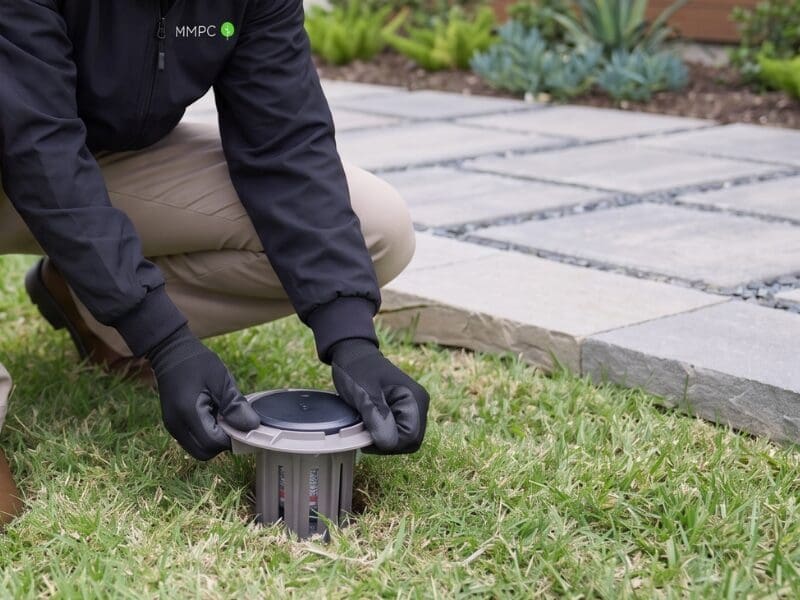
We set up specialized termite bait stations in the ground around your home’s perimeter to monitor activity. If termites are found inside, we add an active baiting agent (termiticide) to eliminate the colony before they start causing damage.
About MMPC
Who we are
MMPC is a small business proud to serve our fellow New Yorkers and surrounding areas. Our team combines 30 years of pest control experience with cutting-edge, eco-friendly technologies and methods — all to ensure the most effective, discreet and customized solutions for our clients.
How we work
We believe that a successful solution begins with listening carefully. MMPC asks the right questions to treat the root causes, not simply the symptoms.




Contact Us
MMPC is available seven days a week to address your pest control needs. Our office hours are 7:00am to 12:00am on weekdays and 9:00am to 7:00pm on weekends.
Call: (212) 219-8218
Email: info@mmenviro.net
Frequently Asked Questions
Most of the inspection requests we get fall under these 3 common scenarios:
- You need an annual inspection during the spring as a preventative measure against potential termite activity.
- You notice signs of termites in or around your home, such as termite swarmers, discarded wings, mud tubes on exterior walls, damaged or hollow-sounding wood, and stuck windows or doors (a common result of termite damage).
- You need a WDI report as part of the process of buying, selling, or refinancing a home.
Termites are small, soft-bodied insects that come in various sizes and colors depending on their caste:
- Workers make up the majority of a termite colony. They are blind and wingless, with long, narrow bodies. Termite workers are similar in size to household ants (about 1/8″ to 1/4″ long) but you can easily tell them apart by their pale white coloration, broad waists (not pinched), and straight antennae (not elbowed).
- Soldiers are similar to workers in size and appearance, except they have enlarged, orange-brown heads with long, pincer-like jaws.
- Swarmers (alates), which emerge in the spring, have narrow, dark-colored bodies with 2 pairs of long, translucent wings. They are commonly mistaken for flying ants.
Only adult reproductive termites (also called swarmers or alates) can fly. Swarmers are active during the spring or early summer when they set off to find mates and establish new colonies. They are usually seen in large swarms lasting for a short period of time, typically just a few hours. After landing, swarmers discard their wings.
Flying termites (or swarmers) are poor flyers that only stay in the air for a short time. The best way to get rid of them is to wait for them to land and vacuum them up. Spraying swarmers with an over-the-counter aerosol is also an option, but doing so may result in a difficult-to-clean mess.
However, simply getting rid of flying termites is not your main concern. Treat their presence as a warning sign of a potential termite infestation and contact the experts at MMPC (or a local pest control company in your area) for an inspection.
The cost of termite inspection and extermination services varies based on your location, the severity of the infestation, and the scope of services required. As a ballpark estimate, inspections typically range between $150 and $300, while treatment costs can vary from a few hundred to several thousand dollars. Please contact us for a customized quote.
How long treatment lasts varies depending on the method used. Liquid treatments typically last for several years, while bait stations provide long-term control with ongoing monitoring and maintenance.