
House Fly
Musca domestica
House flies are the most prevalent indoor fly species. They feed on rotting organic matter and are attracted to moisture, trash, and crumbs.
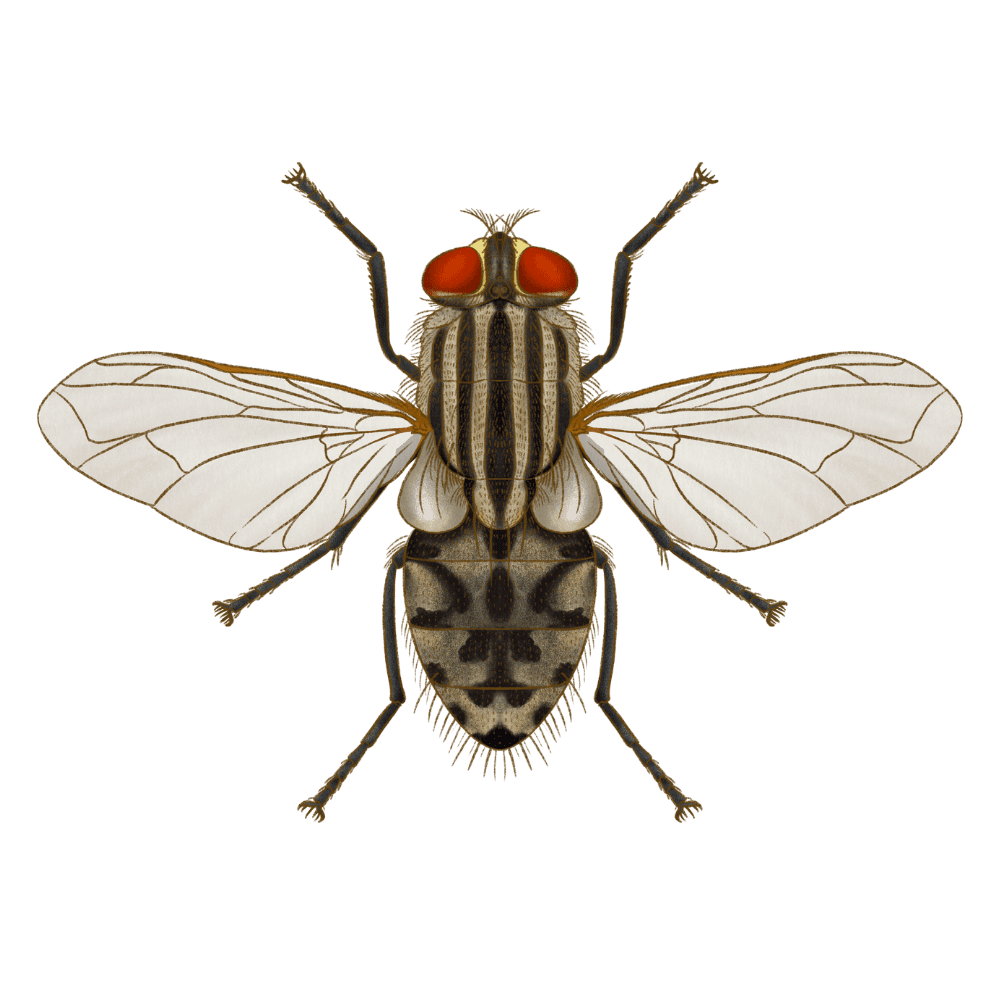
About this species
House flies breed in warm, moist organic matter like trash, manure, and rotting food. In ideal conditions, they can complete their life cycle (from egg to adult) in just 7 to 10 days, allowing populations to explode in number. A single female can lay up to 500 eggs in her lifetime.
While they are capable of flying several miles, house flies usually remain within a few hundred feet of their breeding site. They are active during the day and typically rest on walls, ceilings, and wires at night.
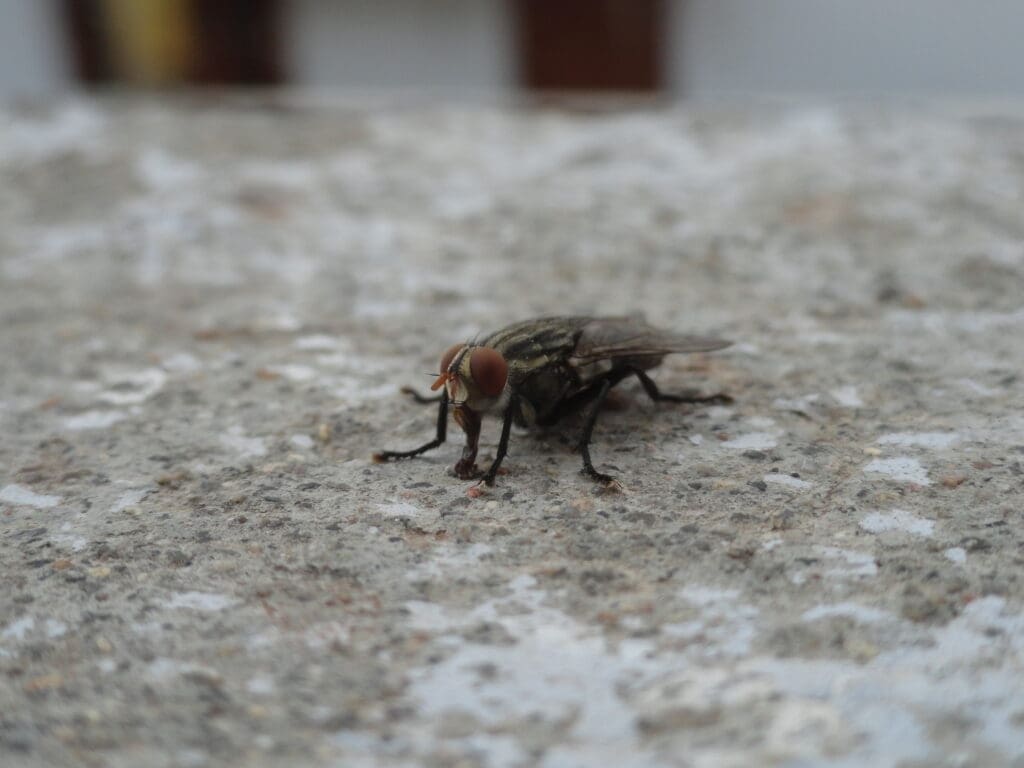 Image by Bhaskaranaidu, CC BY-SA 3.0, via Wikimedia Commons
Feeding habits
House flies are constantly in search of food and moisture, drawn to virtually any organic material. They show a strong preference for garbage, animal waste, and food scraps. Because they can only consume liquids, they regurgitate enzymes onto solid food to liquefy it, a major mechanism for spreading bacteria.
Identification
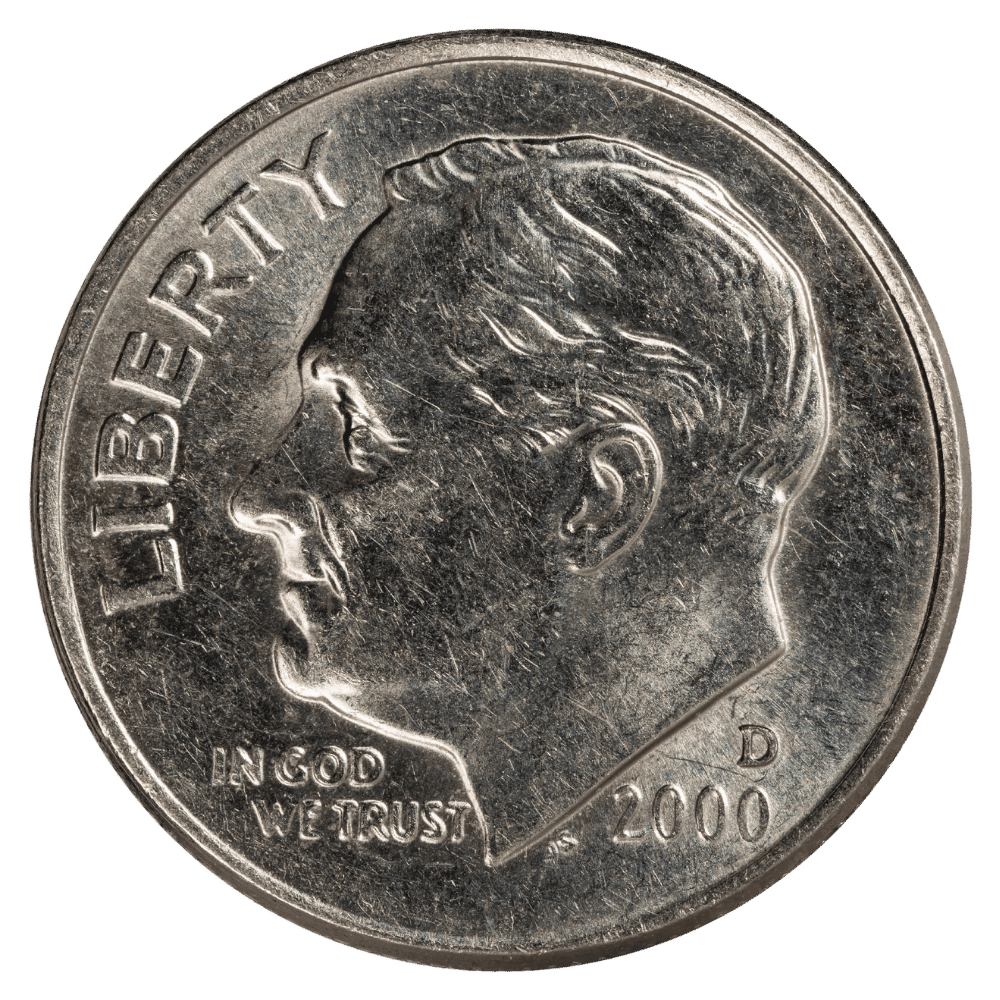
Size:
1/4 inch (6–7 mm)
Color:
Dull gray-brown body with four dark stripes
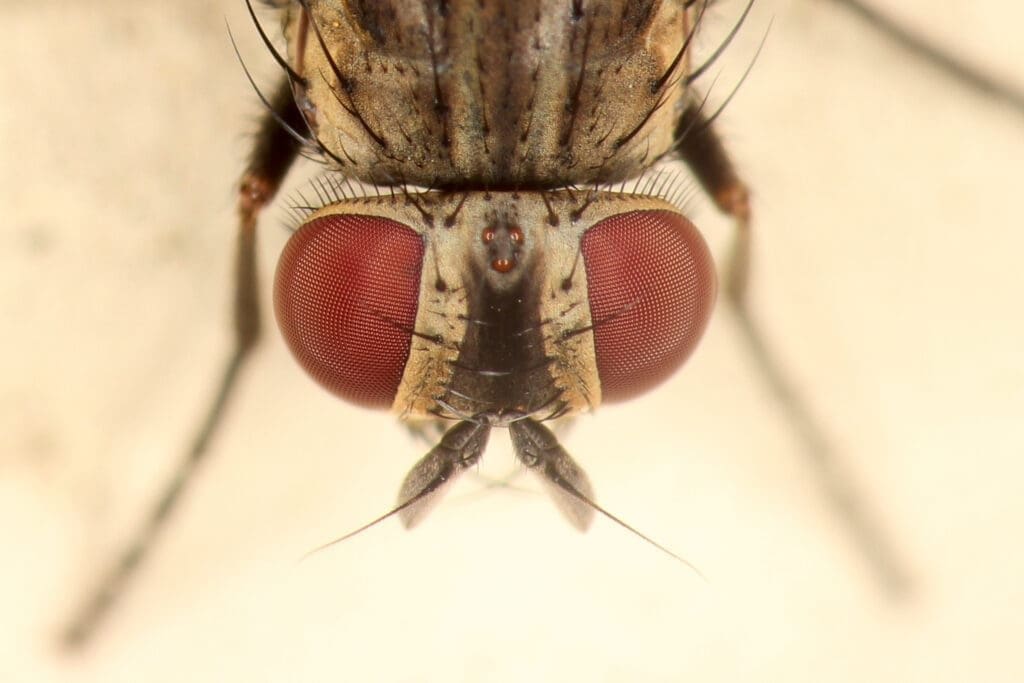 Image by Sanjay Acharya, CC BY-SA 4.0, via Wikimedia Commons
Key ID Features:
- 4 dark stripes on the thorax
- Prominent red compound eyes
- Slightly hairy body