
Odorous House Ant
Tapinoma sessile
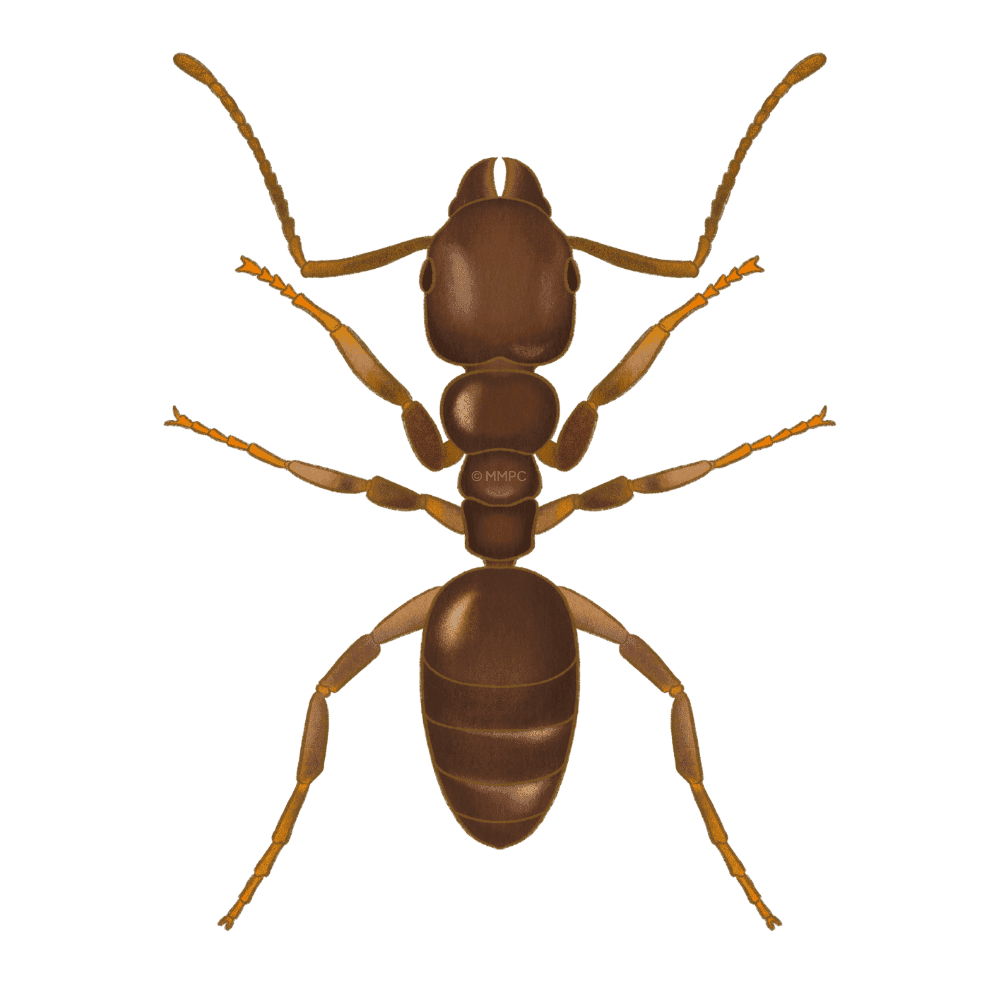
Crush one of these small, dark brown ants, and you will instantly notice a distinct, rotten-coconut odor. The odorous house ant is a tiny but relentless scavenger that builds massive super-colonies capable of taking over wall voids and kitchen spaces.
About this species
While many ants build a single, centralized nest, odorous house ants operate entirely differently. They create vast, interconnected super-colonies with multiple queens and hundreds of thousands of workers. Because they aren’t tied to a single location, they will readily move their nests indoors when the weather turns cold or rainy, seeking out the heat and moisture of your home’s wall voids, hot water pipes, and under-sink cabinets.
Unlike carpenter ants that excavate wood, odorous house ants are purely scavengers looking for a meal. They have a massive sweet tooth, aggressively trailing toward sugary spills, fruit, and even grease. Because their colonies are so spread out, treating just one visible trail rarely stops them; the hidden queens will simply relocate and continue breeding somewhere else in the building.
The Danger of Over-the-Counter Sprays
When dealing with odorous house ants, reaching for a standard bug spray is one of the worst things you can do. Because these ants live in super-colonies with multiple queens, spraying them triggers a survival mechanism known as “budding.” The colony panics, splinters apart, and scatters into several new, independent nests hidden deeper inside your walls. What started as a single problem under the kitchen sink quickly multiplies into five or six separate infestations across different rooms.
Finding the Hidden Nests
These ants need constant moisture to survive, which heavily dictates where they set up shop inside a house. We almost always find them clustered around warm, damp areas. Pay close attention to the spaces behind dishwashers, beneath bathroom sinks, and around hot water pipes. Since their nests are often tucked securely behind drywall or under subfloors, professional slow-acting baits are usually required. The worker ants carry the bait deep into these hidden voids, feeding it directly to the queens before the colony has a chance to fracture.
Identification
Size:
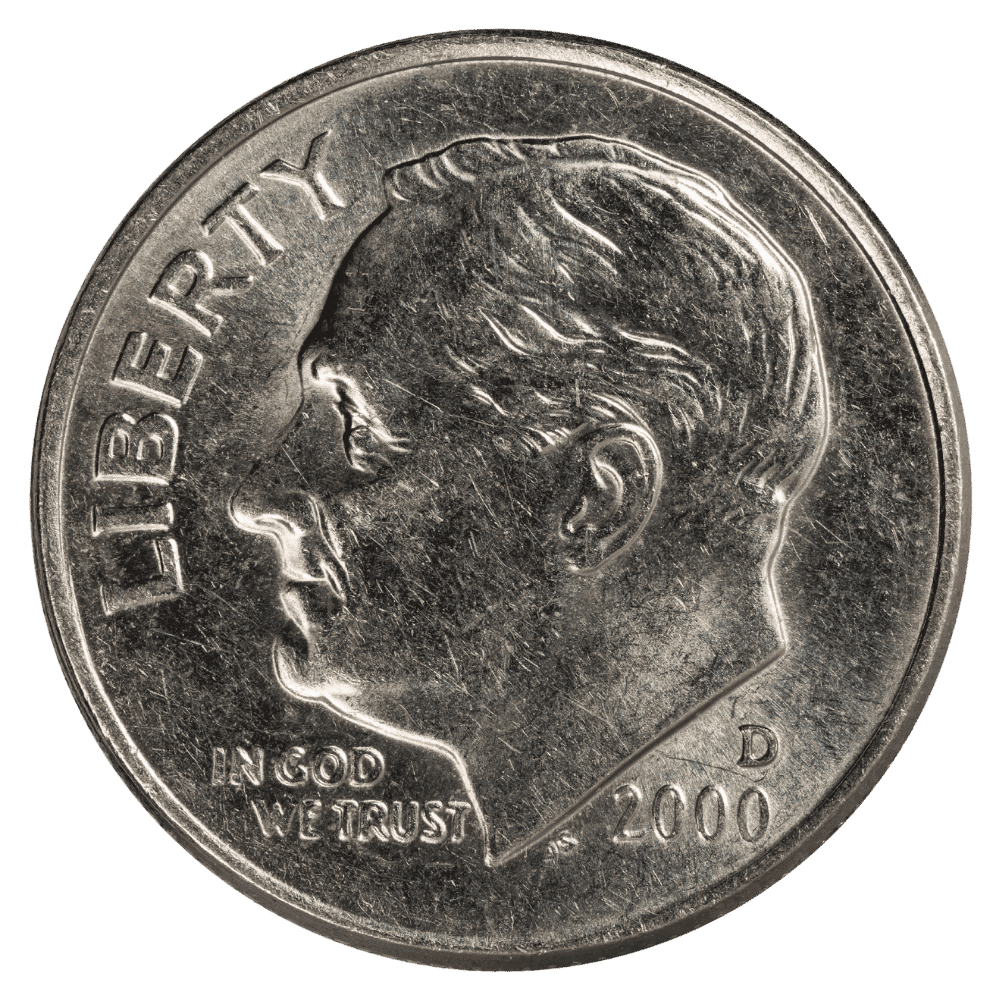
1/16-1/8 inch long (1.5-3.0 mm)
Color:
Solid dark brown to black.
Key ID Features:
- Single petiole node (waist segment) that is hidden from view beneath the abdomen, making them appear “waistless” from above.
- Emits a strong, pungent odor resembling rotten coconuts or blue cheese when crushed.
- Workers are all the exact same size (monomorphic).
- Smooth, relatively hairless body compared to other common household ants.
Colony Roles & Castes
Odorous house ants operate as a massive, highly organized super-colony. Understanding their caste system explains why surface sprays fail and why you have to target the hidden reproductive center of the nest to get real results.
Queens

Workers
Swarmers (Alates)
