
Mouse Control Solutions
We eradicate mouse infestations and permanently seal the structural gaps they use to enter.
We're here to help.
Mouse Exterminators & Exclusion
Mouse control is fundamentally a structural issue. Traps and baits only manage the current population. We focus on clearing out the active rodents and permanently sealing the gaps they use to get inside.


About Mice
Mice are commonly found in interior environments and can live for up to 18 months. They nest inside wall voids and subfloors, typically near kitchens to access food. They can compress their bodies to squeeze through gaps as small as 1/4 inch, chewing electrical wiring and contaminating surfaces along the way. A single female can produce nearly 200 offspring a year.
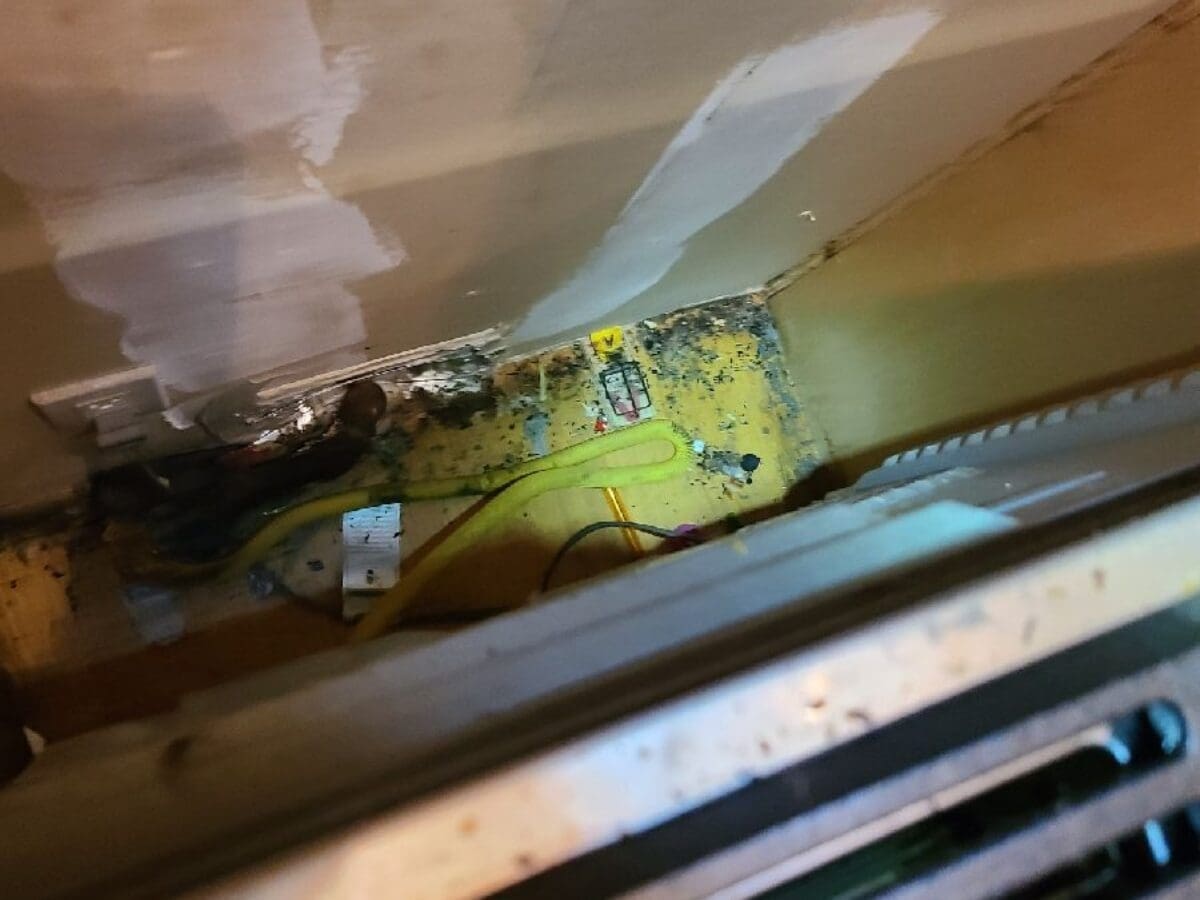
Signs of Mice
Physical evidence usually appears before the mice do. Look for rice-sized fecal droppings and greasy rub marks along baseboards. These dark smudges accumulate where rodents squeeze under doors or run the exact same pathways each night.

Comprehensive Mouse Solutions
Long-term control requires a focus on exclusion. We reduce the interior population with baits and traps, and then physically block the mechanical lines and access points to keep mice out.
Methods that make eco-sense

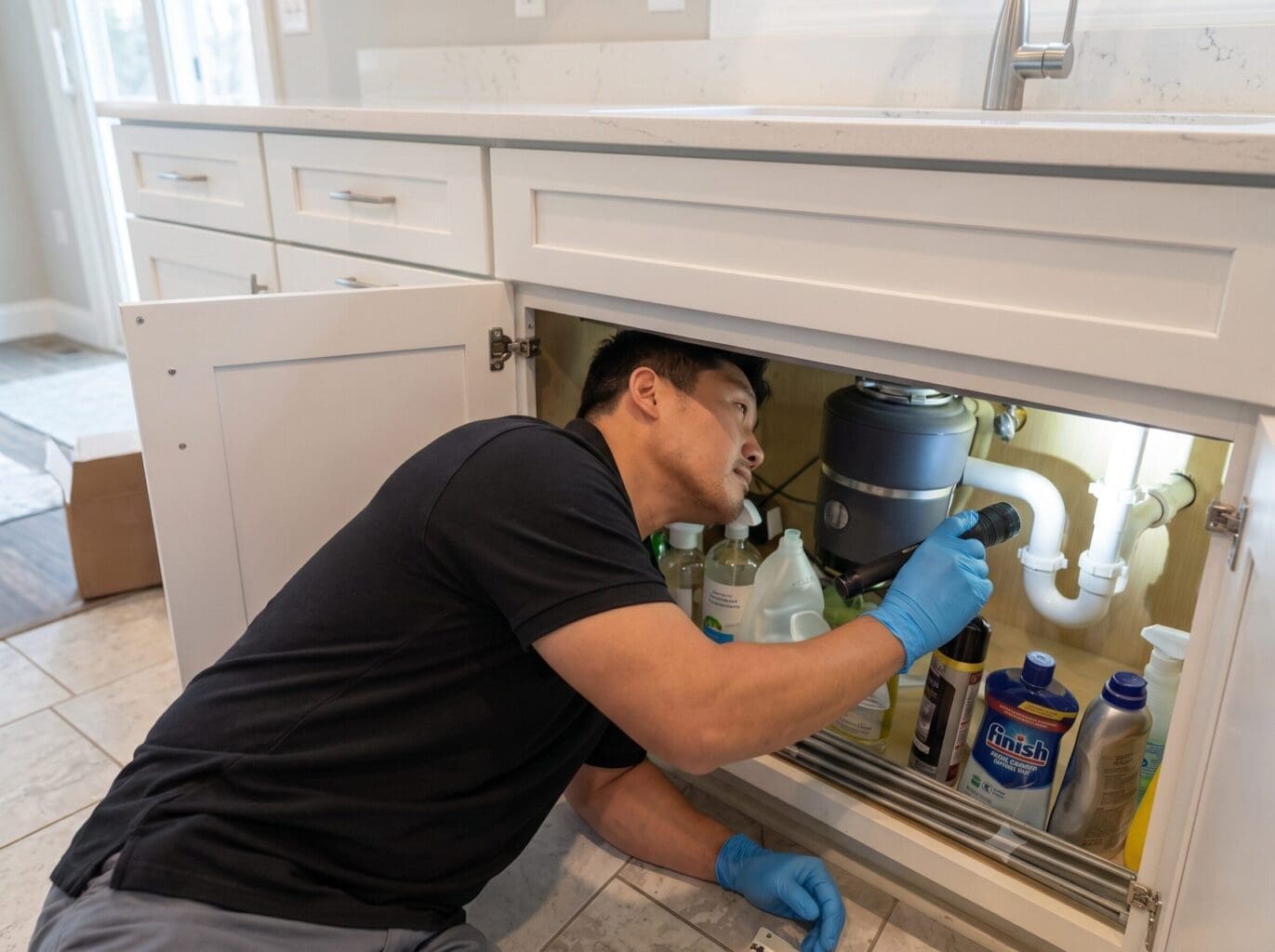
Treatment and Assessment
This service combines initial treatment with a professional assessment to locate the root cause and provide recommendations for long-term control. We conduct a top-down inspection to locate the hidden holes mice use to enter the living space. To knock down the population, we deploy commercial-grade rodenticide in tamper-resistant stations and place monitoring glue boards. We treat the active population first, then provide an action plan for structural exclusion.
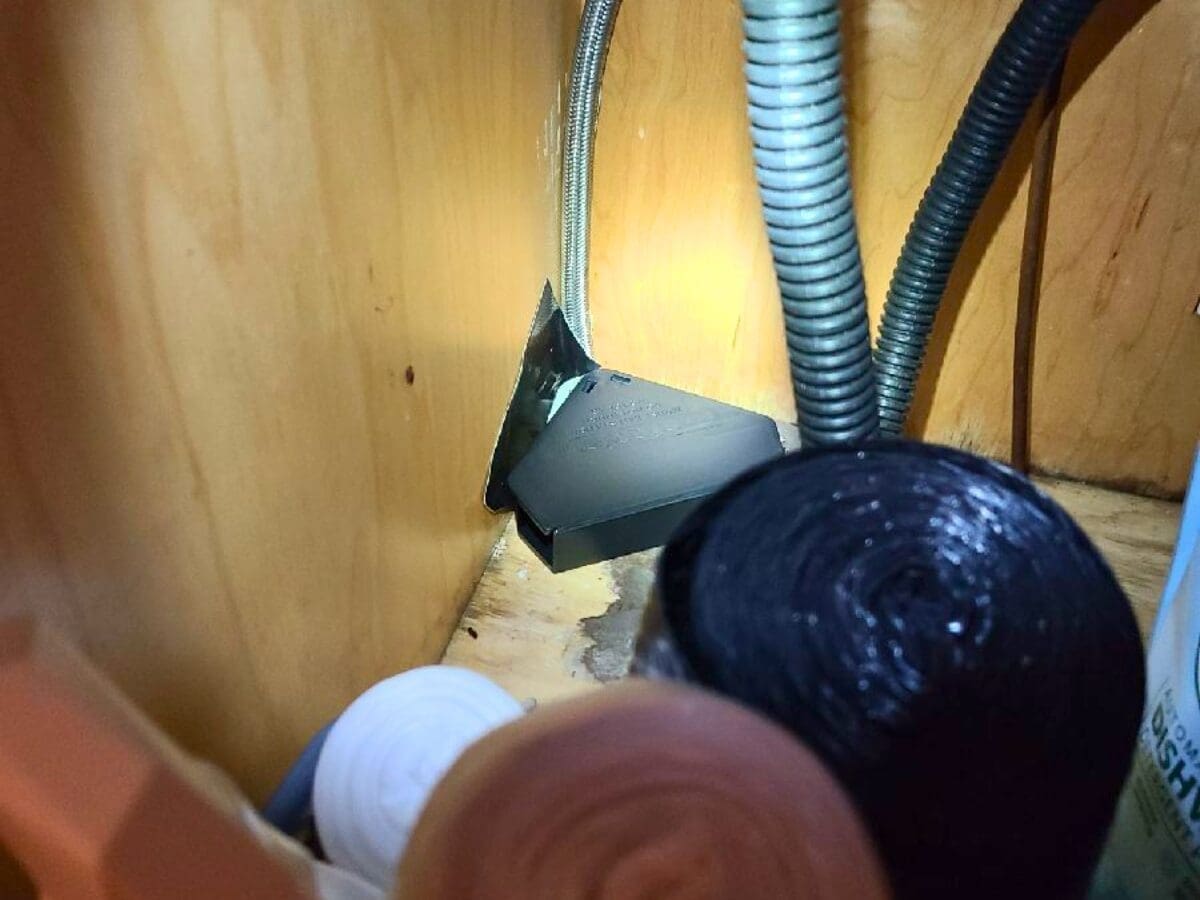
Baiting and Trapping
We position tamper-resistant bait stations and mechanical traps along known pathways and nesting sites. Mice carry the bait back to the nest, collapsing the population rapidly. Traps provide immediate, verifiable capture in high-activity zones, reducing reliance on rodenticides.
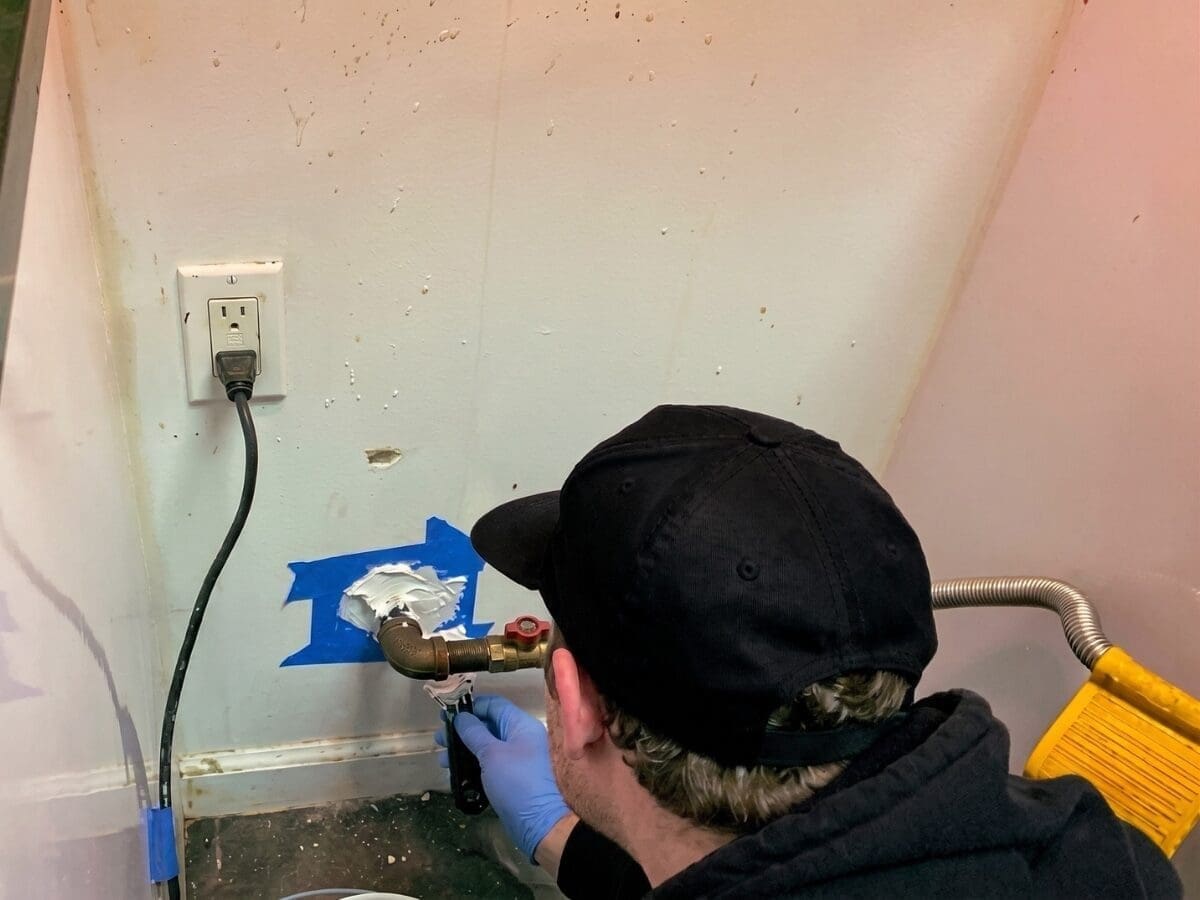
Exclusion
We seal vulnerabilities across the property, targeting mechanical lines behind appliances, radiators, PTAC units, and gaps between walls and baseboards. We use chew-proof materials like quarter-inch steel mesh, thin-gauge steel wool, and thin-set cement to permanently block access.
About MMPC
Who we are
MMPC is a small business proud to serve our fellow New Yorkers and surrounding areas. Our team combines 30 years of pest control experience with cutting-edge, eco-friendly technologies and methods — all to ensure the most effective, discreet and customized solutions for our clients.
How we work
We believe that a successful solution begins with listening carefully. MMPC asks the right questions to treat the root causes, not simply the symptoms.







Contact Us
MMPC is available seven days a week to address your pest control needs. Our office hours are 7:00am to 12:00am on weekdays and 9:00am to 7:00pm on weekends.
Call: (212) 219-8218
Email: info@mmenviro.net
Frequently Asked Questions
If you suspect you have mice in your home or on your property, taking action quickly can stop the problem from getting worse. In fact, even one mouse can indicate a larger problem. Mice typically hide in walls, attics, basements, and behind appliances. Look for common signs, such as:
- Mouse sightings
- Droppings (small, pellet-shaped)
- Gnaw marks (especially on wood or wires)
- Scurrying sounds
- Musky odors
Mice can carry diseases like hantavirus and salmonella, so it’s recommended to let professionals handle trapping and removal. If you need to clean up dead mice or their droppings, be sure to wear rubber gloves, spray with disinfectant, and use a sealed bag for disposal. Do not sweep or vacuum mouse droppings until you have wet the area with detergent or bleach to avoid sweeping dust containing viruses into the air.
Consult local regulations or waste disposal services for further guidance. The New York Department of Health guidelines recommend placing dead rodents and droppings into a sealed plastic bag, placing that bag into a second sealed plastic bag, and disposing it with your regular trash for pick up by the Department of Sanitation.
The cost of rodent extermination services varies depending on the size and complexity of the infestation. Please contact us for a customized quote.
At MMPC, we prioritize safety for pets and children by tailoring treatment plans with eco-friendly and low-toxicity options. We use tamper-proof bait stations and pet-friendly traps whenever possible to minimize risks.
The time it takes to completely eliminate a rodent infestation varies based on location, severity, and other conditions. Our knowledgeable inspectors and technicians will work with you step-by-step to get rid of mice as quickly as possible while addressing the root causes.
Here are some other steps you can take to keep mice out of your home:
- Vacuum regularly, paying extra attention to areas along baseboards, behind appliances, and in corners, where mice might leave droppings or build nests.
- Clean up spills and crumbs promptly, and wipe down kitchen surfaces to eliminate potential attractants.
- Store food properly, keeping all food (including pet food) in airtight containers (preferably metal or glass).
- Secure garbage in lidded trash cans and dispose of garbage regularly.
- Eliminate clutter in basements, attics, closets, and garages.
- Fix leaky pipes and faucets to remove potential water sources for mice.
- Inspect your home for entry points and seal any openings larger than a dime with caulk, steel wool, or appropriate patching materials.
- Ensure weather stripping around doors and windows is intact and replace if necessary. Install tight-fitting door sweeps to block gaps at the bottom.