
Phorid Fly (Humpback Fly)
Phoridae
Phorid flies, often called humpback or scuttle flies, are among the most troublesome indoor pests. Unlike other species, their presence frequently signals a hidden structural or plumbing issue, making them difficult to control without addressing the underlying cause.
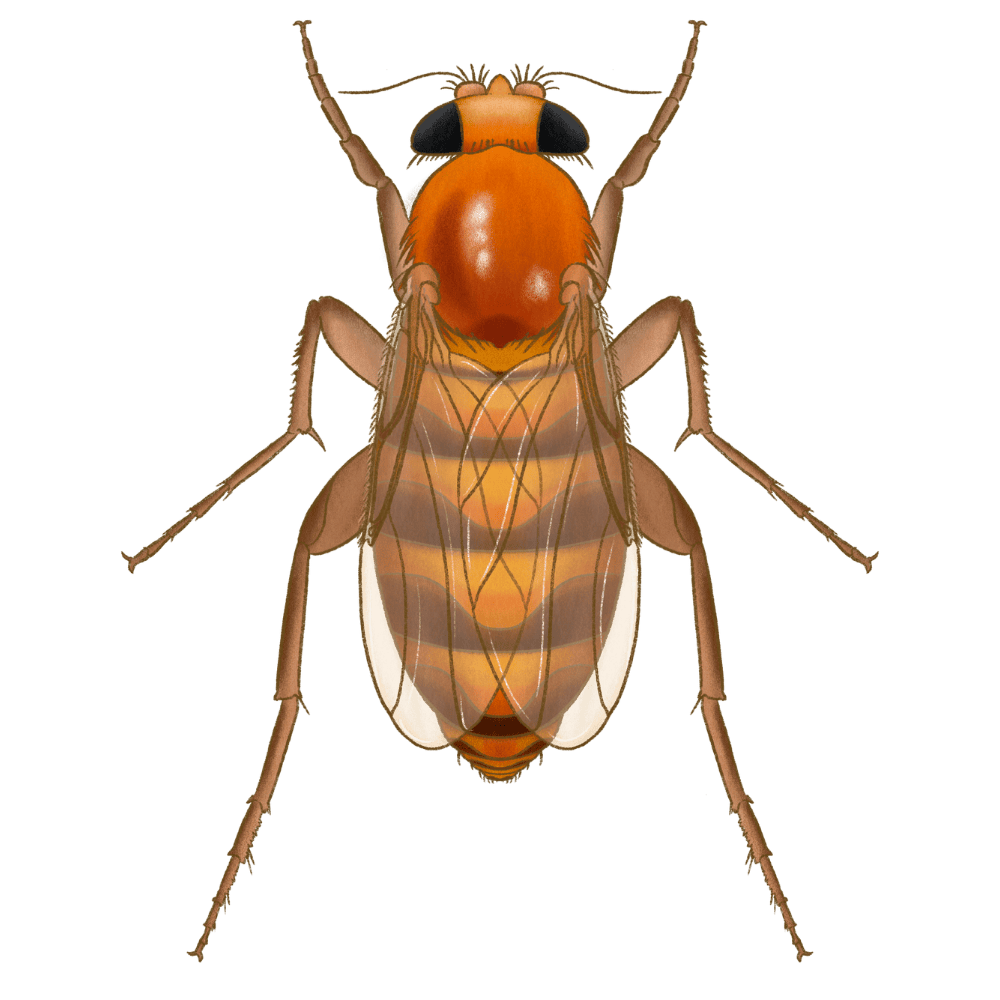
About this species
Phorid flies exhibit unique “scuttling” behavior, darting across counters or walls in a zigzag pattern when disturbed. Their flight, when it occurs, is short and jerky. This sets them apart from the hovering flight of fruit flies.
They are a serious concern because they breed in a vast range of decaying organic matter, often in conditions that other flies cannot tolerate. While they may exploit accessible sites like overripe produce or dirty drains, a persistent infestation usually points to a concealed problem. Typical hidden breeding grounds include sewage leaks within walls, moisture in structural voids, soil under broken slab floors, or even a rodent carcass inside a wall.
Why they are difficult to control
A single adult female can lay over 700 eggs in its lifetime. In addition, phorid flies tend to breed in hidden, damp spaces, making it challenging to locate and eliminate the source.
Identification
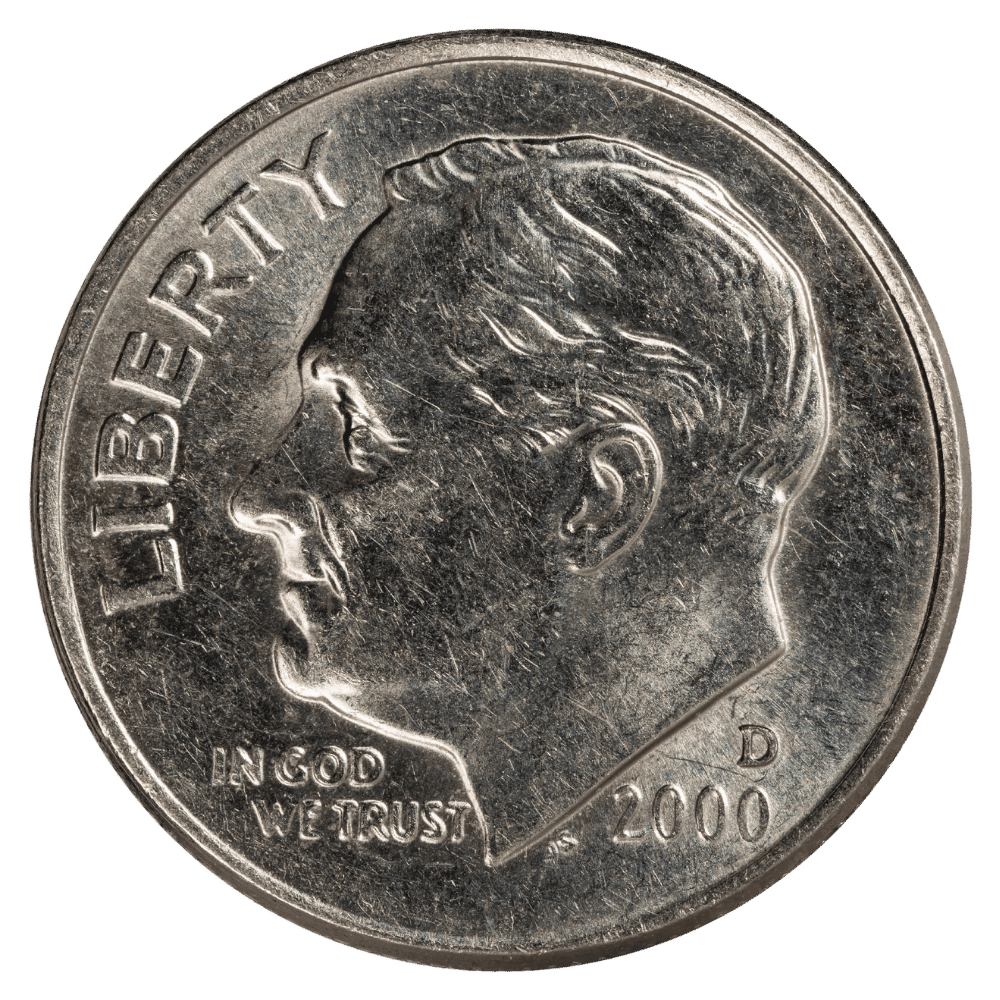
Size:
1/16 to 1/8 inch (1.5-4mm) long
Color:
Tan to dark brown or black

Key ID Features:
- Distinctive humped or arched thorax (giving them the “humpback” name)
- Characteristically runs rapidly across surfaces rather than flying