
Drain Fly (Moth Fly)
Psychodidae
Often mistaken for tiny, fuzzy moths, drain flies are a common sight in bathrooms and kitchens. These small, soft-bodied insects are weak fliers and are usually found resting on walls near sinks, showers, and floor drains.
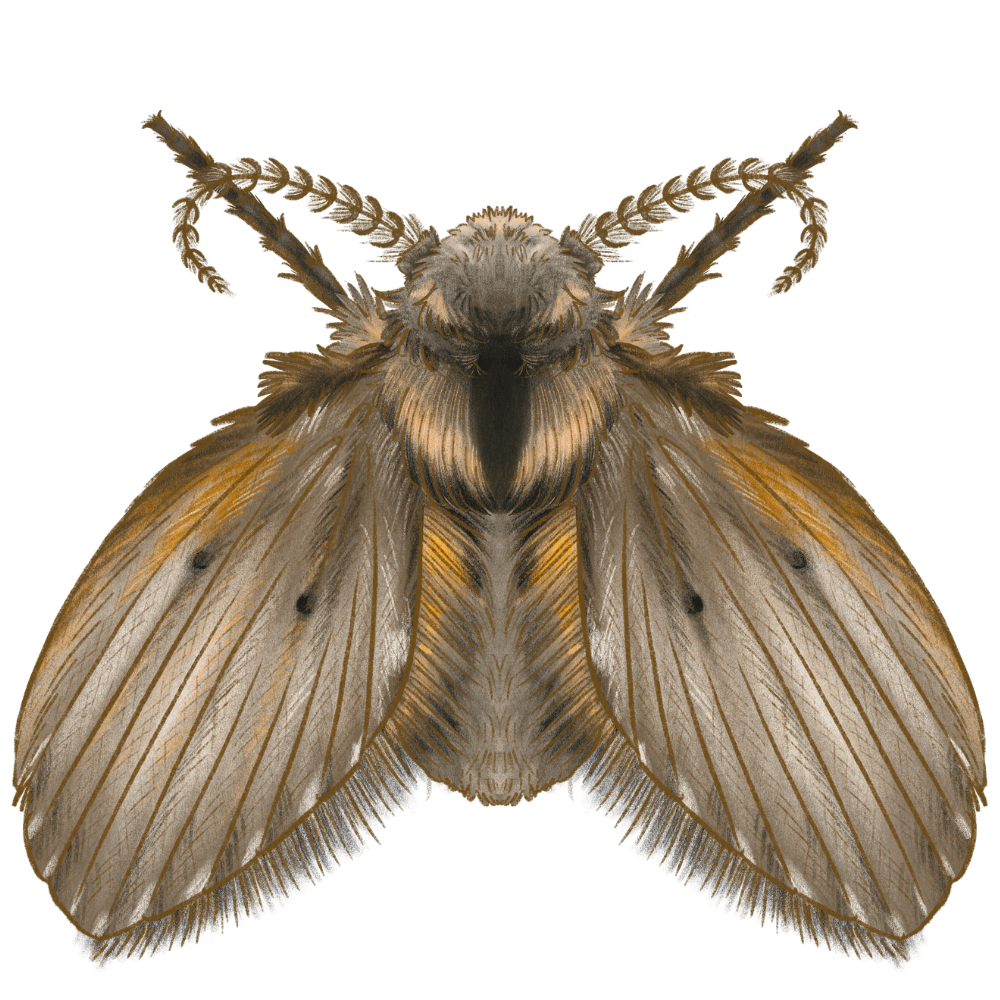
About this species
Unlike other flies, they breed almost exclusively in the slimy, gelatinous biofilm that coats the inside of drains, pipes, and sewer lines. The larvae feed on the bacteria and organic matter within this film, safely out of reach of standard cleaning. This hidden breeding site is what makes them so persistent. Surface cleaning or occasional drain treatments are rarely effective because they don’t remove the deep-seated biofilm where the larvae live and feed.
Drain flies are poor fliers, typically making only short, hesitant hops when disturbed. They spend most of their time resting on vertical surfaces near plumbing fixtures.
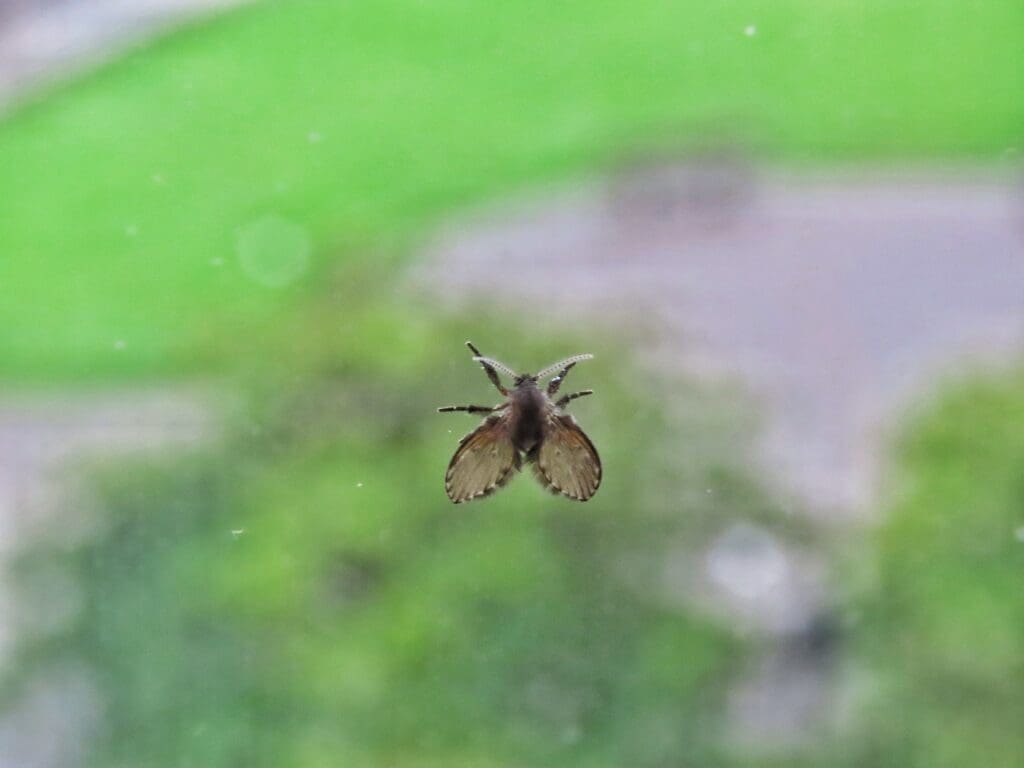
Reproduction
A female can lay up to 100 eggs. Their complete life cycle takes 1 to 3 weeks, allowing a steady population to emerge from drains unless the organic source is thoroughly eliminated.
Identification
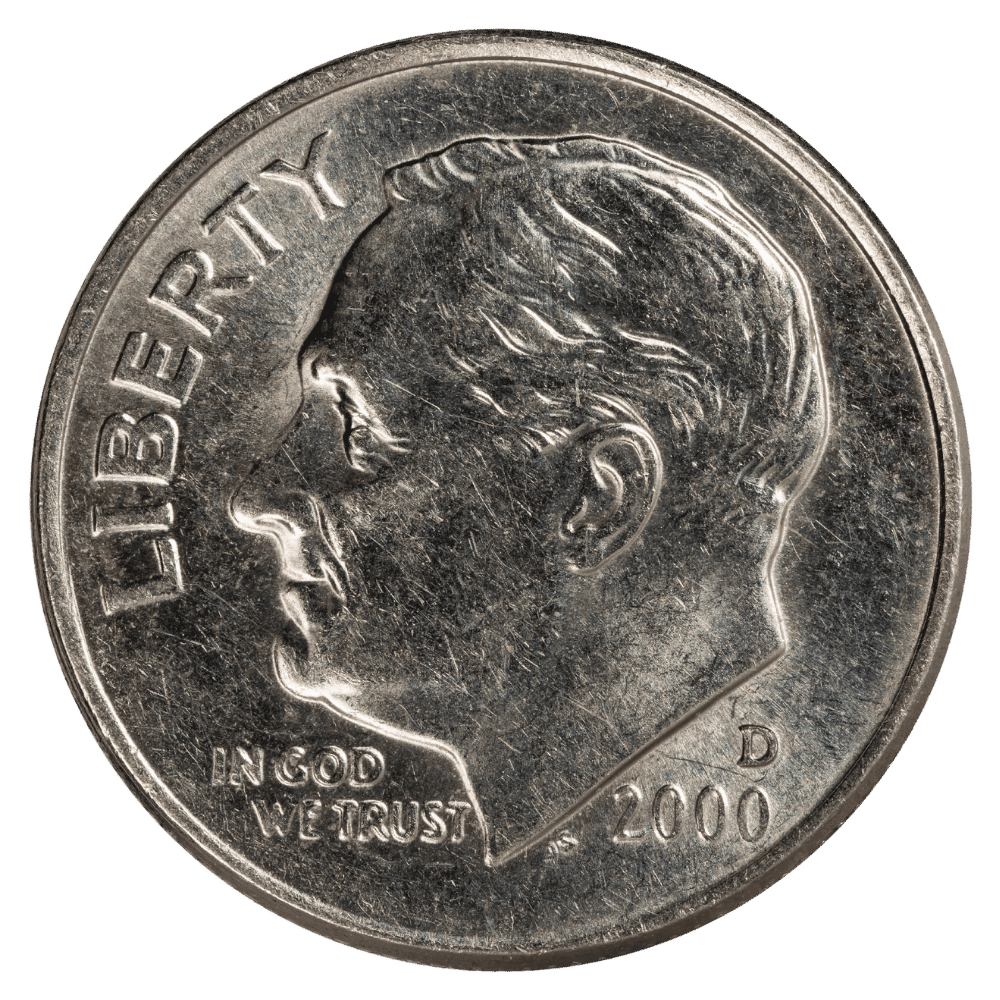
Size:
1/8 inch (2-3 mm) long
Color:
Light gray to tan, with a fuzzy or hairy appearance
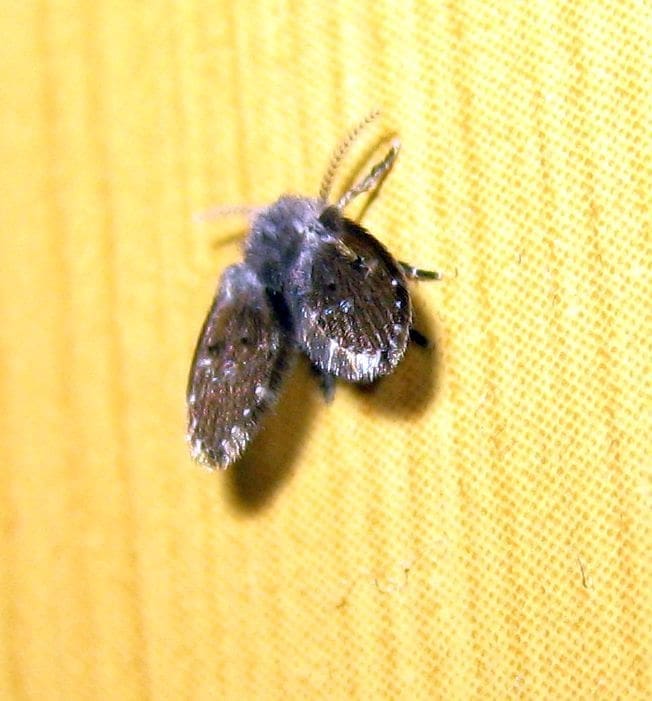 Image by Wilhelm Zimmerling PAR, CC BY-SA 4.0, via Wikimedia Commons
Key ID Features:
- Large, moth-like wings held roof-like over the body when at rest
- Fuzzy body gives them a distinctive silhouette