
Cat Flea
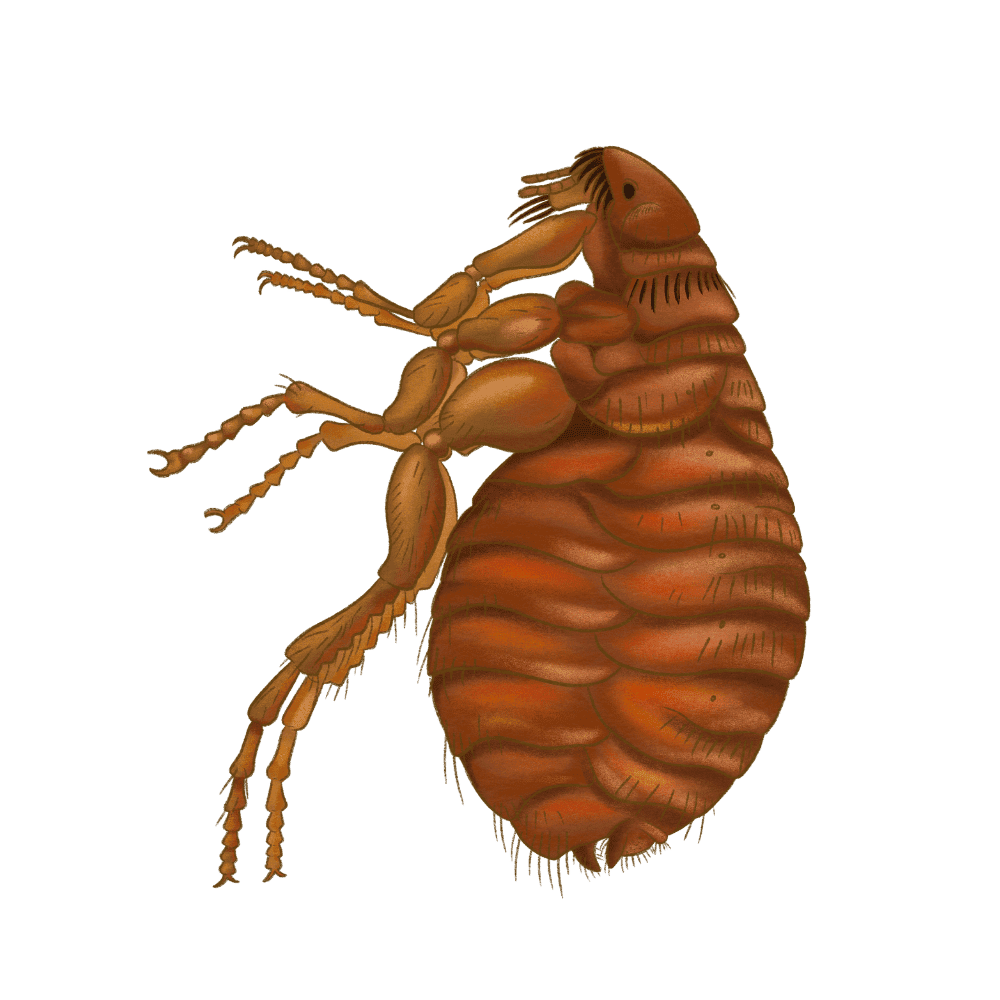
Ctenocephalides felis
The cat flea is responsible for nearly 95% of flea infestations in the United States. Despite the name, it is the primary species found on both dogs and cats.
About this species
A single female lays up to 50 eggs daily. Because flea eggs aren’t sticky, they roll off the pet and settle into carpet fibers and cracks in floorboards, typically hatching within 2 to 5 days. This is why treating the pet alone is never enough; the infestation lives in the environment.
While cat fleas prefer animal hosts, they will bite humans when the resident pet is absent or the flea population surges. For people with sensitive skin or respiratory allergies, this goes beyond simple irritation and may require both pest and medical intervention.
 Image by Sam Thomas, CC BY-SA 2.0, via Wikimedia Commons
 Maslesha, CC BY-SA 4.0, via Wikimedia Commons
Flea bites
Flea bites are frequently mistaken for bed bug bites, but the location tells the story. Bed bugs typically target the upper body and arms in a linear or clustered pattern. Fleas stay low; their bites concentrate almost exclusively around the ankles and lower legs, often appearing shortly after the pet has been in the room.
Identification

Size:
1/16–1/8 inch long (1.5–3 mm)
Color:

Key ID Features:
- Oversized hind legs built for jumping
- Genal comb above the mouth (mustache-like row of spines)
- Pronotal comb behind the head (mane-like row of spines)